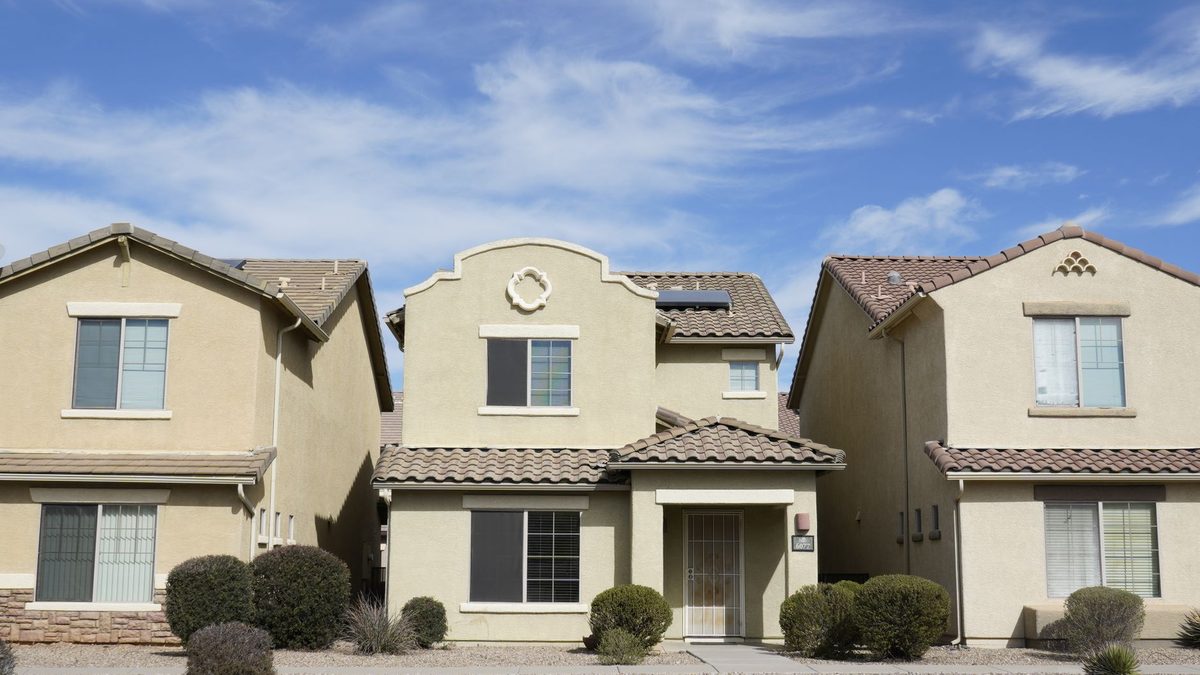
About 75 million Americans — roughly one in four — now live in some form of HOA community. For first-time buyers, the question of whether to choose an HOA home or a non-HOA home is one of the most consequential financial decisions you’ll make. Here’s an honest breakdown of what you’re actually getting on each side in 2026.
The Real Cost of an HOA in 2026
The national average monthly HOA fee in 2026 is around $300, but the range is enormous — from under $100 in the Midwest to $1,000+ in luxury Florida and California condo towers. Over a 30-year mortgage, a $300/month HOA fee adds up to $108,000 of after-tax money paid on top of your principal, interest, taxes and insurance. That’s real money, and it doesn’t build equity.
What HOA Fees Actually Cover
In a typical mid-priced HOA, your dues cover landscaping of common areas, exterior building maintenance (in condos and townhomes), a community pool and clubhouse, security or gate staff, trash and sometimes water, and a reserve fund for major future repairs. In a non-HOA home, you are paying for these services yourself — they don’t disappear, they just stop being itemized.
Pros of Living in an HOA
Predictable upkeep — your lawn, your neighbor’s lawn, and the entire community are maintained at the same standard. Shared amenities you couldn’t afford solo: pools, gyms, golf courses, gated security. Property values are typically more stable because no single neighbor can let their home fall apart. Rules are enforced (no junk cars, no peeling paint, no overgrown weeds), which helps at resale.
Cons of Living in an HOA
Monthly cost that grows over time and can spike via special assessments. Rules can feel intrusive: paint colors, fence heights, parking, satellite dishes, holiday decorations, even the breed of dog you own. Board politics can be brutal in smaller communities. Worst case, an HOA can foreclose on your home for unpaid dues — yes, even if your mortgage is current.
Pros of a No-HOA Home
Total freedom over your property: paint it any color, park your boat in the driveway, run a home business, build the fence you want. No monthly dues on top of your mortgage. Nobody can fine you for forgetting to take the trash bins in.
Cons of a No-HOA Home
You’re fully responsible for every dollar of exterior maintenance, lawn care, and snow removal. Property values fluctuate more because one bad neighbor can drag down comps. No shared amenities. Resale buyers increasingly expect HOA-level curb appeal, and non-HOA neighborhoods sometimes appraise lower per square foot.
Who Each Option Actually Suits
HOA homes generally fit: dual-income families who value time, retirees who want maintenance-free living, anyone buying a condo or townhome, people relocating to an unfamiliar area, and investors who want predictable common-area upkeep. Non-HOA homes fit: tradespeople and DIY owners who want full control, those with non-conforming hobbies (RVs, boats, home garages), strict budgeters who want zero recurring community fees, and rural buyers.
The Bottom Line
There is no universally "better" choice — there is only the option that matches how you actually want to live and what you can sustainably afford. Before signing anything on an HOA home, always pull the CC&Rs, the last two years of meeting minutes, and the reserve study. Before buying a non-HOA home, walk the street on a Saturday morning and look at the worst-kept house — because in five years, that’s your comparable.