HOA Architectural Review: 17 Common Restrictions Most Buyers Never See Coming
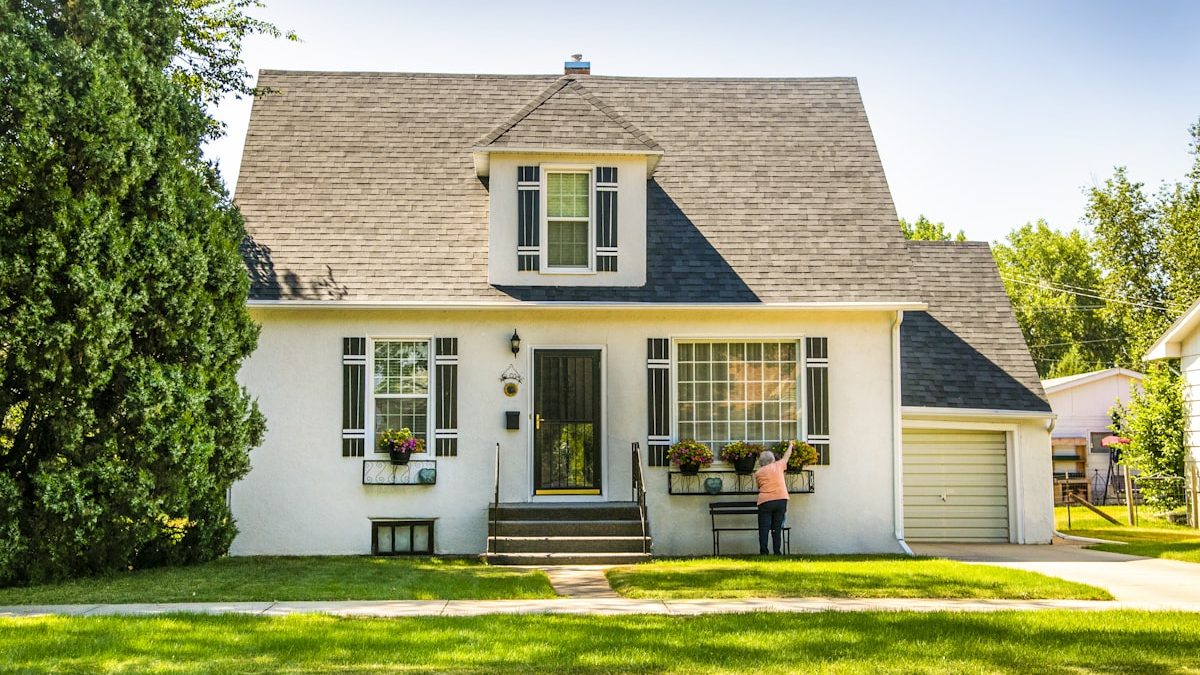
Most HOA buyers focus on monthly dues and pet rules. The bigger surprises usually live in the Architectural Standards: what color you can paint, what fences you can install, and which trees you can plant. Here are 17 of the most common restrictions and how to spot them before closing.
The single most common reason new HOA homeowners file a complaint is not money. It is the architectural review process: paint colors that need approval, fences that have to match the neighbors, mailboxes that have to be a specific shape. Buyers move in expecting to make a house their own, then find out their idea of "their own" needs to be cleared by a committee first.
Here are 17 of the most common architectural restrictions in HOA-governed communities, why they exist, and how to find them before you close.
What Is the Architectural Review Committee (ARC)?
Most planned-community HOAs have an Architectural Review Committee, sometimes called the Design Review Committee or Modifications Committee. It is usually 3-7 homeowner volunteers (sometimes mixed with a paid management-company architect) who review applications for any visible exterior change.
The ARC enforces the community's Architectural Standards document, which is a separate, longer document from the CC&Rs. The Standards typically run 30-80 pages and cover every visible component of the home and lot.
1. Exterior Paint Colors
Most HOAs restrict exterior paint to an approved palette, typically 8-15 colors selected by a designer. Repainting in an off-palette color, even your trim, almost always requires written approval. Some master-planned communities require you to use a specific Sherwin-Williams or Benjamin Moore color code.
2. Roofing Material and Color
When your roof comes due for replacement, most HOAs limit you to a specific brand, profile, and color of shingle (or tile, in tile-roof communities). Switching from architectural shingle to metal, for instance, almost never gets approved.
3. Fencing Type, Height, and Material
Fence rules are some of the strictest in any HOA. Common restrictions: wood only (no vinyl), or vinyl only (no wood), maximum 6 feet, no chain link visible from the street, no decorative tops, and back-yard-only (no side-yard fencing forward of the house).
4. Front-Yard Landscaping
Most HOAs require front yards to maintain a specific percentage of live grass or approved plantings. Xeriscaping (rock landscapes) is often restricted even in arid states like Arizona and Nevada, though most desert HOAs now approve drought-tolerant designs from a pre-approved plant list.
5. Tree Removal
Almost every HOA requires written approval before removing any tree over a certain diameter (commonly 4 inches), even if the tree is dead, diseased, or on your own lot. Tree removal without approval can trigger fines of $500-5,000 plus a forced replacement.
6. Driveway Surface and Color
Driveway resurfacing typically requires the same color and texture as the original installation. Stamping, staining, or switching from concrete to pavers usually needs ARC approval.
7. Solar Panels
Even in solar-access states (see our separate article on this), HOAs can still regulate panel color, mounting location, and conduit routing. In states without solar laws, HOAs can ban panels outright.
8. Satellite Dishes and Antennas
The FCC Over-the-Air Reception Devices (OTARD) rule preempts most HOA bans on dishes under 1 meter, but HOAs can still dictate placement (rear or side of the home, not the front) and require screening.
9. Holiday Decorations
Most HOAs allow seasonal lighting and decorations but limit how early they can go up and how soon they must come down. Common rules: no more than 30 days before the holiday and 14 days after. Inflatable lawn decorations are restricted in many luxury communities.
10. Mailboxes
In communities with curbside mailboxes, the HOA typically specifies the exact post style, paint color, and house-number format. Replacing a damaged mailbox usually requires sourcing the same model.
11. Garage Doors
Garage door color, panel style, and window placement are typically standardized. Many HOAs require the garage door to remain closed except for active loading and unloading.
12. Outdoor Storage
Trash and recycling bins, garden hoses, ladders, and pool equipment usually must be stored out of view from the street. Some HOAs require screening even from neighboring lots.
13. Boats, RVs, and Trailers
Boats, RVs, campers, work trailers, and commercial vehicles are commonly banned from driveways and on-street parking. Some communities allow temporary parking (24-72 hours) for loading and unloading.
14. Pools and Spas
In-ground and above-ground pools require ARC approval in most communities. Common restrictions: maximum size, mandatory fencing, no temporary inflatable pools larger than a few feet, and quiet hours.
15. Solar Skylights and Tubular Lights
These are usually subject to the same solar-access laws as panels, but boards often restrict size and roof-side placement more aggressively.
16. Window Treatments (Visible from Outside)
Some upscale HOAs specify what is acceptable from the street side. Common rules: white or neutral interior linings only, no foil or paper covering windows, no flags or political signs visible through windows.
17. Pet Houses and Doghouses
Exterior doghouses and pet runs typically need ARC approval and matching paint colors. Electric or invisible fencing is permitted in most HOAs but always check the Standards.
How to Find These Rules Before You Buy
During your due-diligence period, request these four documents from the HOA management company: (1) the current CC&Rs, (2) the Architectural Standards or Design Guidelines, (3) the latest Rules and Regulations, and (4) the most recent ARC meeting minutes. Read all of them. It is a 2-3 hour exercise that will save you years of friction.
If you have specific plans (solar, expansion, fence, pool, ADU), submit a written question to the ARC during your inspection window and get the answer in writing before you close. Verbal "I think it would probably be okay" is not enforceable later.
The Buyer Bottom Line
Most HOA conflict is not about money. It is about expectations. Owners who read the Architectural Standards before buying tend to feel respected by the rules. Owners who discover them after closing tend to feel ambushed by them. The documents are usually available for free from the management company; the cost of ignoring them is the cost of fighting them later.
Sources: Community Associations Institute (CAI) "Architectural Review Best Practices" 2025, FCC Over-the-Air Reception Devices rule 47 CFR 1.4000, state solar-access statutes referenced in companion article.