Nevada HOA Trends 2026: Fees, Rules, and the Rapid Growth of Master-Planned Communities
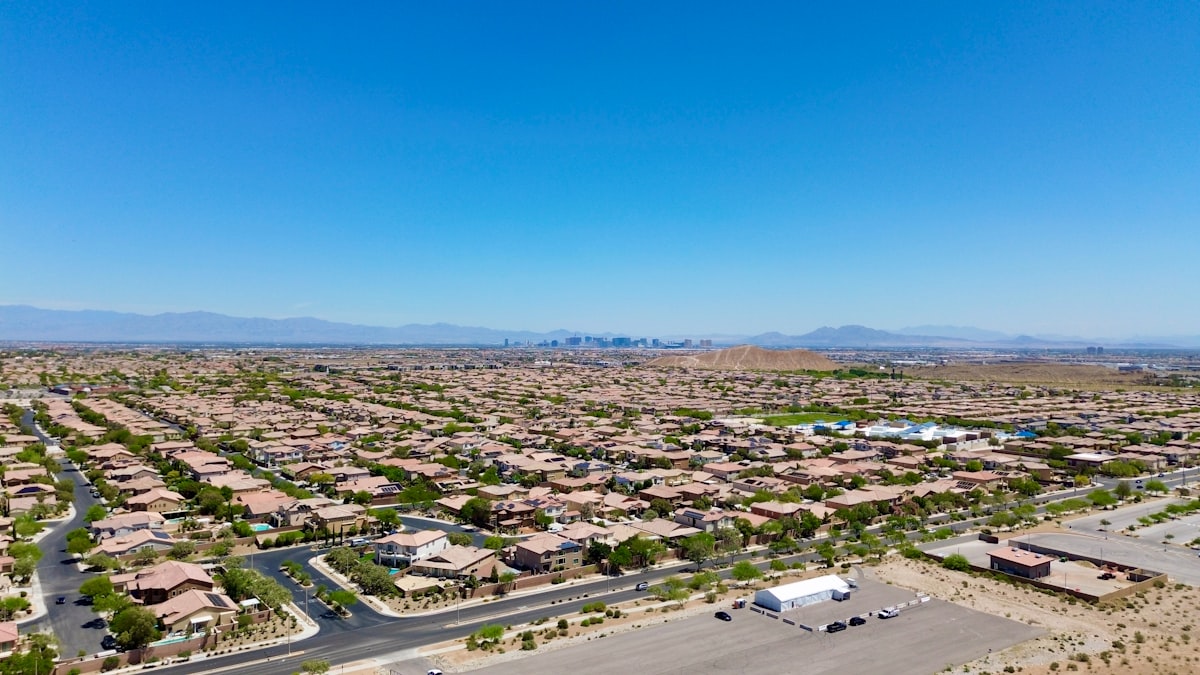
Nevada has quietly become one of the most HOA-dense states in the country, driven by Las Vegas, Henderson, and Reno master-planned growth. Here is what the historical data shows about fees, rules, and where the market is heading in 2026.
Nevada is now one of the most HOA-dense states in the U.S. - more than 60% of new single-family homes in Clark and Washoe Counties are sold inside a homeowners association. The Nevada HOA directory on HOA's HUB tracks the dominant communities across Las Vegas, Henderson, Summerlin, and Reno.
How fees have moved (2019-2026)
Statewide median monthly HOA fees in Nevada have climbed from roughly $95 in 2019 to about $165 in 2026 - a 74% increase that meaningfully outpaces general inflation. The biggest jumps were 2022 and 2024, driven by insurance repricing and reserve-study compliance. Full historical context lives in our fee-trends tracker.
Master-planned communities driving most of the growth
Summerlin (Las Vegas), Inspirada (Henderson), Cadence (Henderson), Skye Canyon (NW Las Vegas), and Damonte Ranch (Reno) account for a meaningful share of new Nevada HOA homeowners. These large master-planned communities operate sub-association structures, which means a homeowner is typically paying both a master-association assessment and a sub-association fee - a structure new buyers often do not expect. Our HOA special assessments guide explains the layered-fee mechanics.
Short-term rental crackdowns
Nevada HOAs have moved sharply against short-term rentals over the last three years. Clark County's 2022 STR ordinance overlapped with a wave of HOA-level Airbnb bans; by 2026, the majority of Las Vegas-area HOAs in our dataset explicitly prohibit short-term rentals. Long-term rentals are still permitted in most communities.
What changes in 2026
Nevada's 2025 amendments to NRS 116 (the state's Common Interest Communities statute) take full effect in 2026, tightening reserve-study requirements, board record disclosure, and electronic voting standards. This is the same pattern playing out nationally - covered in our piece on new HOA laws and transparency rules. For homeowners considering pushback on fee increases, see how to fight an HOA fee increase.
Bottom line
Nevada HOAs are larger, more layered, and more regulated than they were five years ago - and fees have risen accordingly. Buyers should budget for both master and sub-association dues, read CC&Rs on rental policy before closing, and watch the reserve-study disclosures. Browse Nevada HOA communities, see methodology at Editorial Standards, or license the dataset for your own analysis.