HOA Fees Continue Rising Across America: What's Driving the Increase in 2026?
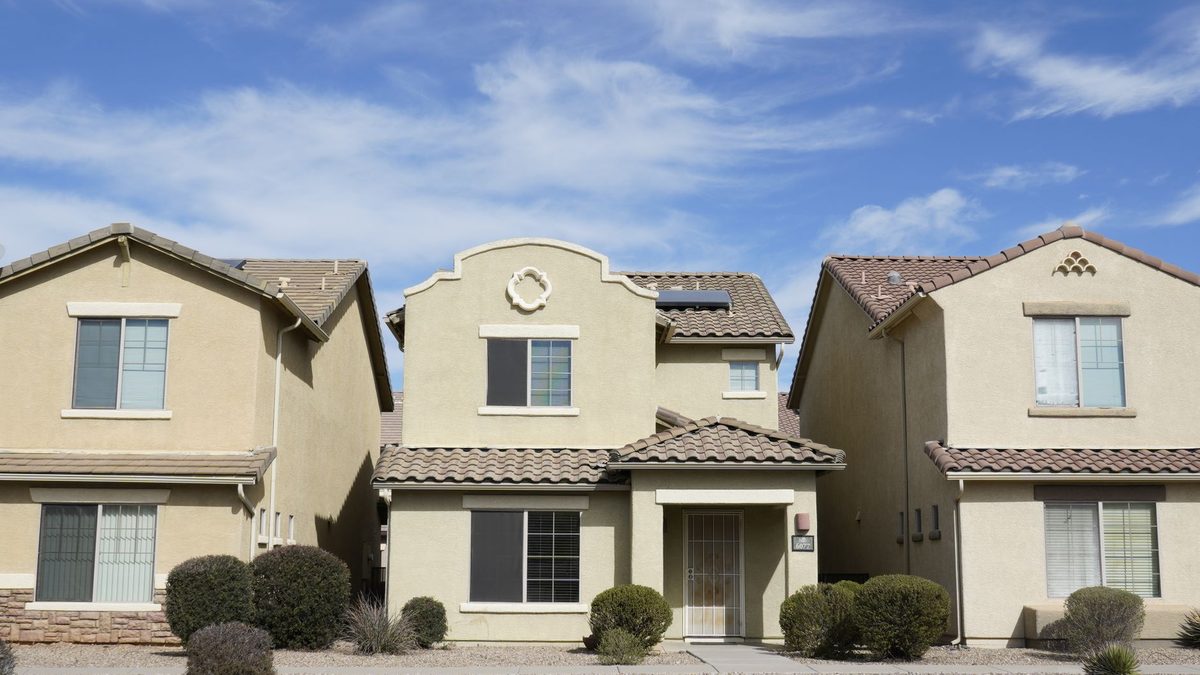
Homeowners nationwide are seeing HOA dues climb again in 2026. We break down the four biggest drivers behind the increases - insurance pressure, reserve-funding scrutiny, new state legislation, and the push for digital communication - and what residents should watch on their next budget vote.
Homeowners across the country are experiencing escalating HOA dues, and the trend shows no sign of slowing in 2026. From Florida to California, boards are wrestling with rising insurance premiums, tougher reserve-study expectations, and a wave of new state legislation. Behind every dollar increase on the next budget vote sits a specific structural pressure - and homeowners who understand those pressures are in a much stronger position to push back, plan ahead, or accept the increase informed.
For a deeper look at how these forces have already reshaped one market, see our recent analysis of rising HOA costs in Texas and the Florida HOA fee headache.
The Insurance Squeeze
Property insurance is the single largest driver of HOA fee increases in 2026. In high-exposure states - Florida, California, Texas, and Louisiana - association master policies have repriced sharply over the last 18 months as carriers reassess wind, wildfire, flood, and rebuild-cost risk. Several national carriers have exited entire markets, leaving boards with fewer quotes and less negotiating leverage.
When insurance premiums surge, HOA boards are forced into one of four decisions: increase annual dues, postpone planned maintenance, cut services like landscaping and pool hours, or levy a special assessment. Each path has trade-offs, and the strongest boards walk homeowners through the reasoning before the vote - not after the bill arrives.
Reserve Funding Under Greater Scrutiny
Reserve funds are designated for major future expenditures: roof replacements, road resurfacing, pool renovations, clubhouse repairs, and structural improvements. Until recently, many associations relied on outdated reserve studies that significantly understated future cost. After several high-profile structural failures and stricter reserve-study requirements in places like Florida, that latitude is shrinking fast.
Rising materials and labor costs, combined with more rigorous reserve studies, put pressure on every association to fund reserves properly rather than leaving the problem for the next board. If you're researching a community, the HOA reserve funds explained and HOA special assessments explained guides walk through exactly what to look for.
New HOA Laws and Transparency Rules
State legislatures are enhancing oversight of HOAs, introducing new requirements for transparency, voting procedures, official-records access, conflict-of-interest disclosures, and governance practices. The pattern in 2026 is unmistakable: more states are moving from light-touch oversight toward affirmative homeowner-protection statutes.
Florida lawmakers are pushing forward legislation that touches official records, electronic voting, conflict-of-interest disclosures, governance procedures, and homeowner access to information. Minnesota is implementing its own HOA Bill of Rights this year - see our explainer at Minnesota signs HOA Bill of Rights into law. North Carolina and Georgia have similar bills in motion, summarised in our North Carolina HOA bills and Georgia HOA Bill of Rights coverage.
Digital Access Becoming the New Standard
Many states are encouraging or mandating that HOAs modernise their communication. The new standard includes electronic voting systems, online access to records, digital meeting notices, and enhanced financial disclosures posted to homeowner portals.
The shift matters because transparency directly reduces disputes. Owners who can read the minutes, review the budget, and see reserve-study assumptions on their own time are far less likely to file complaints or organise recall efforts. Boards that resist modernisation are increasingly out of step with both their owners and their state legislators.
What Homeowners Should Watch
Before the next board meeting, request and read the four documents that explain almost any fee increase: the annual operating budget, the current reserve study, the master insurance disclosure, and the upcoming capital-improvement plan. If any of those four is missing, that's information by itself.
If you believe an increase is unjustified, our guide how to fight an HOA fee increase walks through the practical steps - quorum, written objections, recall procedures - that actually move the needle.
The Bottom Line
HOA fees are rising in 2026 for structural, identifiable reasons. Insurance, reserves, legislation, and digital-disclosure costs are all real, and most are not going to reverse next year. Transparency and proactive long-term planning - on both sides of the board table - are what separate communities that handle the pressure well from communities that don't.
Want to compare HOA fees in your area? Browse HOA communities by state, use our fee-trend tracker, or read our full editorial standards for how we source the data on every page.