HOA Reserve Funds Explained: The One Number That Can Make or Break Your Purchase
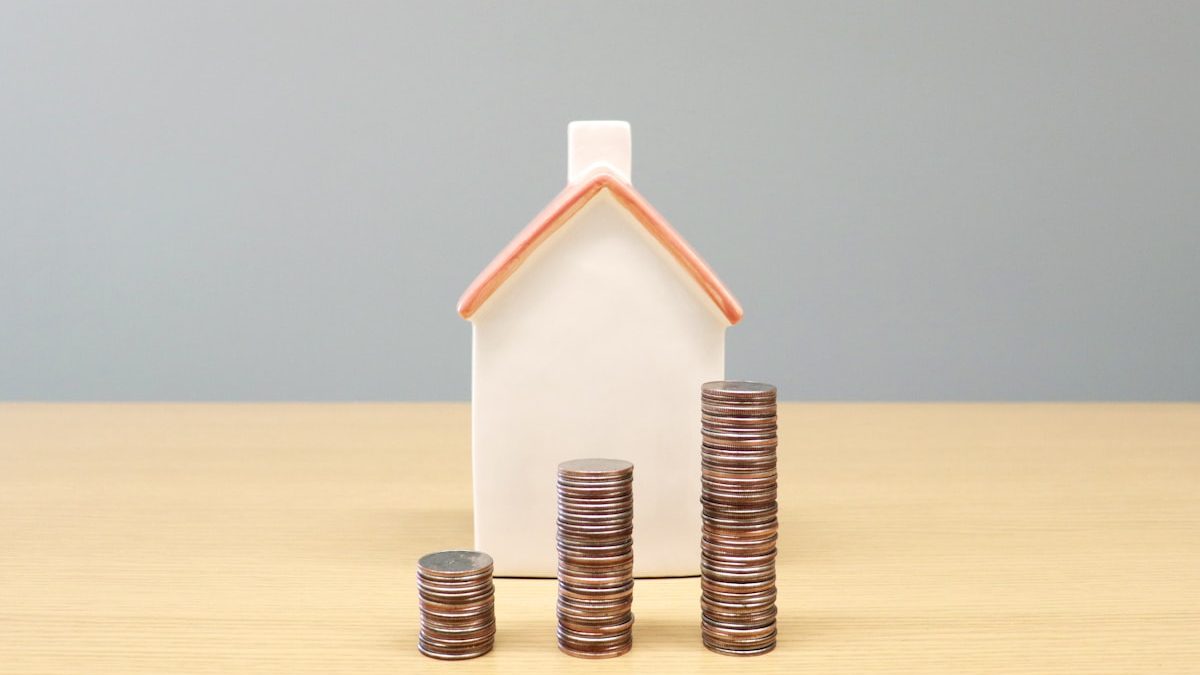
Reserve funds are the savings account every HOA uses to pay for big-ticket repairs like roofs, roads, pools, and elevators. Buyers who skip the reserve study often inherit special assessments worth tens of thousands of dollars. Here is how to read one in under five minutes.
When buyers tour a home in an HOA-governed community, they typically ask about monthly fees, pet rules, and rental policies. The single most important number, the percent-funded ratio in the reserve study, almost never comes up. That number is the difference between a stable HOA and one that will hand you a $15,000 special assessment in your second year of ownership.
This guide breaks down what reserve funds are, how to read a reserve study, and the specific red flags that should pause any HOA home purchase.
What Is an HOA Reserve Fund?
An HOA reserve fund is a long-term savings account that the homeowners association uses exclusively for major repair and replacement projects of common-area assets. Think roof replacements on a condo building, repaving the community road system, replacing the pool deck, rebuilding the clubhouse, or replacing elevators in a high-rise.
Reserve funds are separate from the operating budget. The operating budget pays for landscaping, insurance, utilities, management fees, and other recurring expenses. The reserve fund only pays for capital expenditures that happen every 5 to 30 years.
How Reserves Are Funded
Each homeowner contributes to reserves as a portion of their monthly HOA dues. For a community with $400/month dues, anywhere from $40 to $200 per month typically flows into the reserve account, depending on the age of the community and the size of upcoming projects.
If reserves are underfunded when a major project comes due, the HOA has three options: borrow money (a reserve loan), raise dues sharply, or levy a one-time special assessment that every homeowner must pay. The last option is the most common and the most painful for owners.
The Percent-Funded Ratio (the number that matters)
Every reserve study calculates a percent-funded ratio. It compares how much money the HOA currently has in reserves against how much it should have based on the age and remaining life of its assets.
Industry guidance from the Community Associations Institute (CAI) classifies reserve funding into four tiers: Above 70% is well-funded and considered low-risk. Between 30% and 70% is fair, with some special-assessment risk. Below 30% is poorly funded and special assessments are likely. Below 10% is critically underfunded and a near-certainty of major dues spikes or assessments within 24 months.
A 50% percent-funded community is the rough national average. Anything below 30% should prompt serious questions before you buy.
What to Ask For Before You Close
In most states, an HOA is legally required to provide a reserve study and a recent financial statement to any prospective buyer on request. Buyer agents in HOA-heavy states like Florida, California, Arizona, and Texas should already have this in the standard due-diligence checklist. If yours does not, ask directly:
The most recent reserve study (ideally within the past 3 years). The current reserve account balance and a breakdown of percent-funded by asset class. The 5-year history of special assessments. The board minutes covering the most recent budget approval. Any pending litigation or insurance disputes that could deplete reserves.
If the HOA stalls, refuses, or sends incomplete documents, that itself is a red flag. Well-run associations are proud of their financial discipline and respond within days.
Red Flags Inside the Reserve Study
Reserve studies are usually 20-50 pages and easy to skim. Look for these warning signs:
Roof, road, or pool replacements due in the next 1-5 years with funding under 60%. That gap will become an assessment.
The board has not raised dues in 5+ years despite published industry inflation of 4-6% per year. This is not a sign of efficiency; it usually means reserves are being drained.
A reserve study older than 3 years. Communities that skip the periodic update are usually the ones with the worst news to deliver.
A reserve study performed by the property management company rather than an independent licensed reserve specialist. This is a conflict of interest in most states.
Florida and California Now Require Reserves by Law
After the Surfside condo collapse in 2021, Florida passed SB 4-D requiring condo associations to fully fund reserves for structural integrity items, with no waivers permitted starting January 2025. Hundreds of Florida condos hit homeowners with five-figure special assessments to catch up.
California has required reserve studies every three years since 1989 (Civil Code 5550), and the 2024 update tightened disclosure rules. Other states, including Nevada, Hawaii, and Washington, have similar statutory reserve frameworks.
Buyers in these states get more protection but should still verify the numbers themselves. Statutory minimums are not the same as adequate funding.
The Buyer Bottom Line
If you remember nothing else from this guide, remember this: monthly dues tell you what a community charges you today. The percent-funded reserve ratio tells you what they will charge you tomorrow. Spend ten minutes reading the reserve study before you spend $500,000 on the house. It is the single highest-leverage piece of due diligence in any HOA purchase.
Sources: Community Associations Institute (CAI), Foundation for Community Association Research, Florida SB 4-D (2022), California Civil Code 5550.