New HOA Laws and Transparency Rules Are Changing Community Governance in 2026
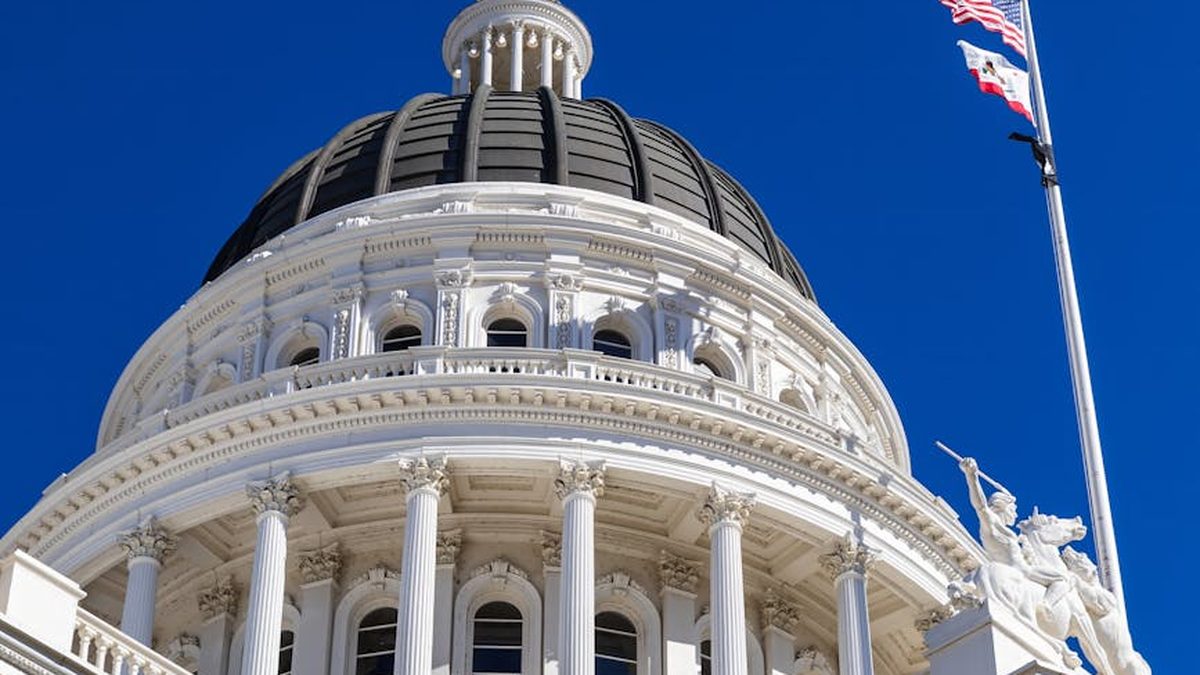
State legislatures are sharpening oversight of homeowners associations in 2026, with new mandates around transparency, voting procedures, financial disclosures, and homeowner-records access. Florida is leading; Minnesota, Georgia, and North Carolina are not far behind. Here is what is changing and what it means for both boards and residents.
State legislatures are increasingly focused on HOA oversight, and 2026 is shaping up to be the most consequential year for community-association law in over a decade. New statutes are moving through several state capitols at once, all pointing in the same direction: more transparency from boards, more disclosure to homeowners, and more accountability across the management chain.
This shift is the product of years of pressure from owner advocates after high-profile structural failures, special-assessment disputes, and concerns that fee hikes were happening without adequate financial justification. Legislators are responding with statutes that turn previously discretionary practices into legal requirements.
Increasing State Oversight
Across the United States, lawmakers are enacting more robust laws to govern homeowners associations. The year 2026 is marked by the implementation of new requirements covering official-records access, voting processes (including electronic voting), conflict-of-interest disclosures for board members, standardised governance procedures, and clearer financial reporting to homeowners.
You can browse our coverage of these statutes by state on the HOA communities by state directory - each state page links to the relevant legislation we have tracked.
Florida Leading the Charge
Florida lawmakers are at the forefront of this movement, advancing bills that affect every community association in the state. The legislative push includes provisions for official-records management, the implementation of electronic voting, enhanced conflict-of-interest disclosures, standardised governance procedures, and improved homeowner access to association information.
For Florida-specific context on how rising costs and tighter rules are intersecting, read The Florida HOA Headache and explore the Florida HOA community directory.
Other States Following Suit
Florida is not alone. Minnesota has signed its HOA Bill of Rights into law - see our Minnesota HOA Bill of Rights coverage. Georgia is moving on a similar bill, summarised in our Georgia HOA Bill of Rights explainer. North Carolina has multiple bills in committee covering reserve studies, fee disclosure, and foreclosure procedure - tracked in our North Carolina HOA bills 2026 piece.
Digital Transformation in Communications
A strong, durable trend is the encouragement (and in some states, the requirement) that HOAs adopt modern communication methods. This includes electronic voting systems, online access to association documents and records, digital notices for meetings, and detailed financial reporting posted to homeowner portals.
Digital access changes the practical experience of being a homeowner. Owners can read the minutes, examine the budget, and review reserve-study assumptions on their own time, which dramatically reduces the friction of staying informed. For boards, it also reduces the volume of records-request administrative work because owners can self-serve.
Impact on HOA Boards
HOA boards that prioritise and embrace transparency typically experience improved homeowner trust and a measurable reduction in disputes. The evolving landscape points toward greater homeowner visibility into association operations, stricter disclosure requirements, and a higher degree of accountability across all levels of community management.
Boards that resist these changes are increasingly at odds with their statutes, their owners, and - in states like Florida - their attorneys' general. The path of least friction is to adopt the practices proactively, before they become enforcement actions.
What Homeowners Should Do
Find your state on the HOA communities by state directory and review the legislation tracker on the linked state page. Read your association's governing documents, particularly the section on amendments and electronic voting. If you believe the board is out of compliance with a new state requirement, our how to fight an HOA fee increase guide outlines the practical escalation path, including how to engage state regulators.
Bottom Line
The 2026 wave of HOA legislation is not a one-state phenomenon. It is a coordinated shift toward owner-protective oversight across multiple states, driven by transparency, electronic voting, and stricter financial disclosure. For homeowners, that means more information and more recourse. For boards, it means modernising operations whether they want to or not.
Want our methodology and sourcing on state-law coverage? Read our editorial standards and about page.