HOA Insurance Premiums Jump 18% in 2026 - What's Driving the Surge
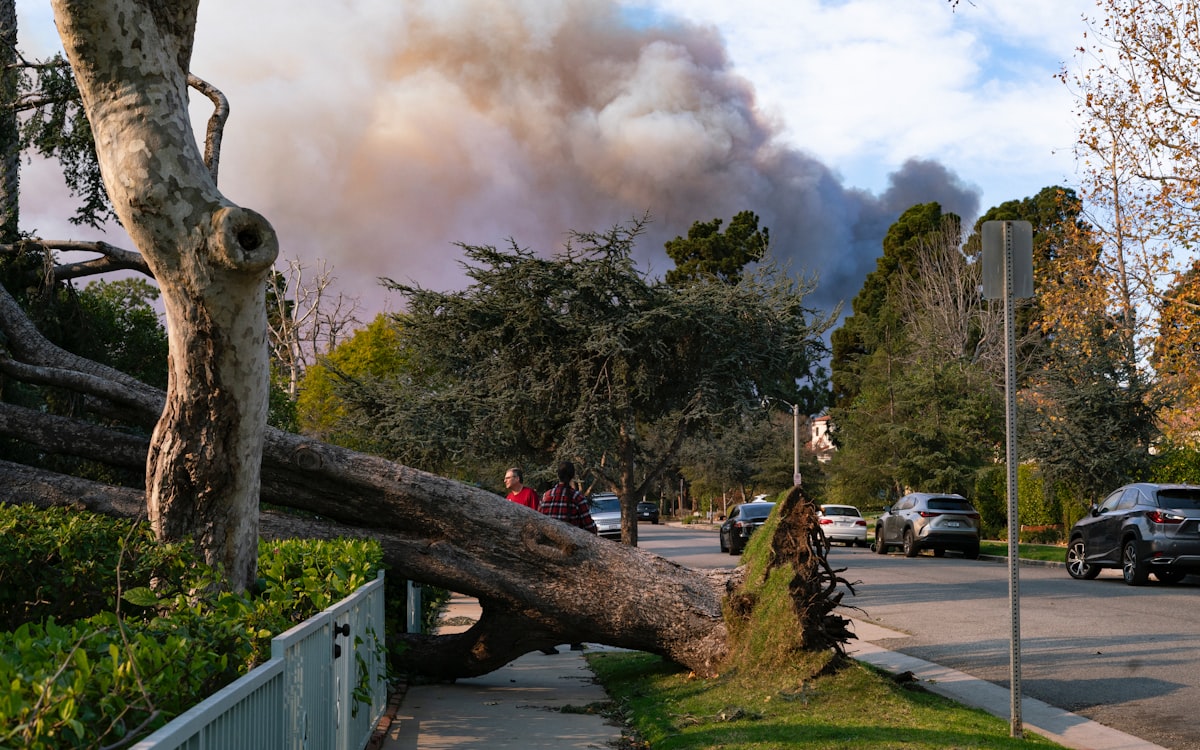
Master-policy insurance for HOAs has spiked again this year. Carriers cite catastrophe losses, litigation costs, and a tight reinsurance market - and most of that increase ends up in homeowner dues. Here is what is moving, where it is hitting hardest, and what boards can do about it.
If your HOA's 2026 budget vote felt sharper than last year, insurance is almost certainly the reason. Across the master-policies that cover common areas, shared structures, and board liability, average premiums have risen roughly 18% year-over-year in 2026 - on top of double-digit increases each of the last three years. For the typical community in our fee-trend tracker, insurance is now one of the two largest line items in the operating budget.
What is actually driving the increase
Four factors are layered on top of each other this cycle, and the combination is what makes 2026 feel different from a normal insurance hard market.
Catastrophe losses. Hurricanes, severe convective storms (hail and tornado outbreaks across the Midwest and Southeast), and wildfire seasons have made carriers re-price risk in coastal Florida, Texas, the Carolinas, Colorado, and California. Even communities that did not file claims are paying for their geography.
Reinsurance costs. The carriers that sell HOA master policies in turn buy reinsurance to cap their own exposure. Global reinsurance rates have risen sharply since 2023, and those costs flow straight through to community premiums.
Litigation severity. Claim payouts on water-damage, fire, and liability cases have grown faster than inflation. Carriers have responded with higher deductibles, tightened wind/hail terms, and additional underwriting scrutiny on building age and roof condition.
Replacement-cost inflation. Even where claims volume is flat, the cost to rebuild a clubhouse, repair a roof, or replace flooded common-area equipment is materially higher than it was in 2020. Insured-to-value updates push premiums up even without a single new policy term being adjusted.
Where the pain is concentrated
The 18% figure is a national average. The actual ranges we see in the dataset are wider than that.
Coastal Florida and Gulf Coast HOAs are renewing at 25-60% increases, with some condominium associations losing access to wind coverage from admitted carriers entirely and pushing into the surplus-lines market. We covered the macro picture in The Florida HOA Headache: Why Fees Are Surging in 2026.
Wildfire-exposed communities in California, Colorado, and parts of Arizona have seen carriers non-renew. Boards are scrambling for replacement coverage in the state FAIR Plan or with non-admitted insurers - usually at materially higher premiums and lower limits.
Texas and Oklahoma HOAs in hail-belt counties are seeing roof-specific endorsements rewritten with actual-cash-value (rather than replacement-cost) settlements, plus separate wind/hail deductibles that can run 2-5% of insured value. The trend lines for the region are tracked in Rising HOA costs reshape homeownership across Texas.
Lower-cat states (much of the Upper Midwest, the Northeast, and the Pacific Northwest) are still seeing premium increases - typically in the 8-15% range - but most carriers are still actively renewing and quoting these communities.
How it shows up in your dues
For most associations, insurance is between 15% and 35% of the annual operating budget. An 18% jump in that line item, holding everything else constant, translates roughly to a 3-6% increase in total monthly dues. In hard-hit regions where premium increases are running 40%+ and where the insurance line is already 30%+ of the budget, the pass-through to dues is materially larger - which is one of the main mechanics behind the dues increases we have been tracking in HOA fees continue rising across America.
Some boards have tried to absorb the shock through one-time special assessments rather than baked-in monthly increases. That is sometimes the right call, sometimes not - we walk through the trade-offs in HOA special assessments explained.
What well-run boards are doing about it
Re-quote the policy every renewal, not every three years. The carrier lineup is changing fast enough that loyalty is no longer rewarded - the savings from a fresh round of competitive quotes typically exceed the brokerage transition cost. Many associations have shifted from a single retail broker to a panel of two or three.
Tighten the underwriting story. Reserve studies that document deferred-maintenance plans, roof condition reports, water-loss mitigation upgrades, and security/CCTV deployments all give underwriters something to credit. Communities that arrive at renewal with a clean, documented file consistently get better terms than those who just hand over the prior loss runs.
Raise the deductible deliberately. Higher per-occurrence deductibles - especially for wind/hail - can produce meaningful premium savings. The math only works if the association's reserve fund can actually absorb the new deductible without a special assessment, which is a board-level decision, not an insurance-broker decision.
Reassess insured-to-value annually. Most associations are still insuring against 2019-era replacement costs. Bringing the policy up to current construction costs avoids the coinsurance trap, but it also raises the premium - the right answer is usually "yes, do it" and budget for the increase explicitly.
Bottom line
Insurance is the single biggest driver of HOA dues increases in 2026, and the structural causes - catastrophe losses, reinsurance pricing, litigation severity, construction-cost inflation - are not going to reverse in the next 12 months. Homeowners shopping for a community should specifically ask about the last three renewal cycles; boards should treat the renewal as a strategic exercise, not a paperwork one. If you want to push back on a specific increase, our guide to fighting an HOA fee increase walks through the mechanics. To see what fees and rules look like in a specific market, start with the HOA communities directory or the fee-trend tracker.